How to climb Mount Kinabalu: what it's really like
By Alfred Sintun2 min read
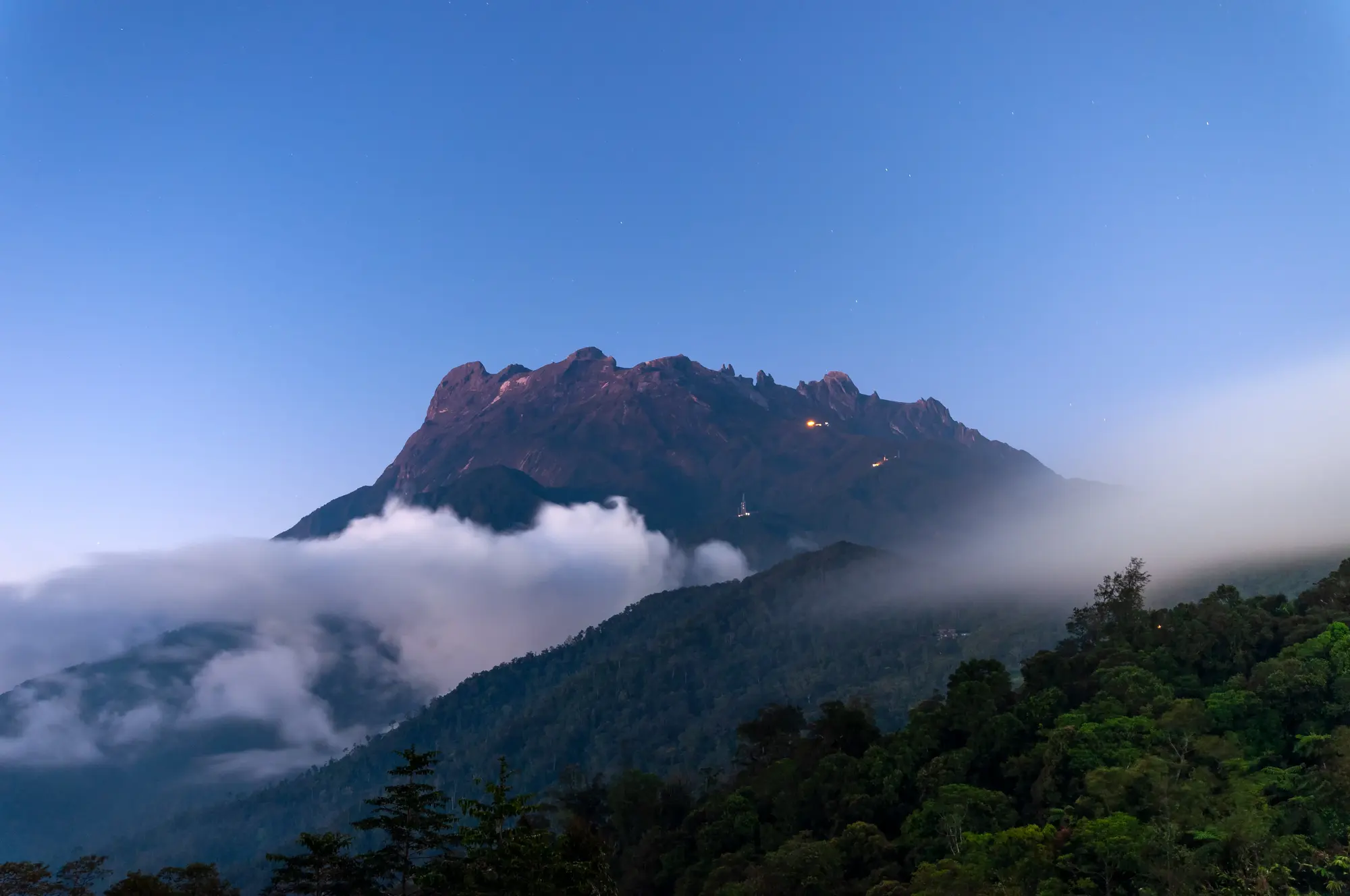
I've walked this mountain more times than I can count. My people, the Dusun, have always seen it as a sacred place, and we still treat it with respect. Here's what I tell every guest before we start.
Permits come first
Climbers must have a permit and a licensed mountain guide, and beds on the mountain are limited each night. That's why popular dates sell out months ahead. Sort this out before you book your flights.
Day one: Timpohon Gate to the huts
You start at about 1,866 metres, and it's about six kilometres to the huts at around 3,270 metres. It sounds short, but it's nearly all stairs: rock steps, roots and wooden boards. Take it slowly. There are rest shelters along the way, and you'll walk through mossy forest full of orchids and pitcher plants.

Day two: the summit
We wake at about 2am and leave by 2.30am, with head torches on. After the treeline, you walk on bare granite, holding a fixed rope on the steep sections. It's cold, the air is thin, and the last 500 metres feel long. Then the sun comes up over the plateau, and you forget all of that.
Low's Peak is 4,095 metres high. After the summit, you return to the hut for a second breakfast, then walk all the way down to the gate. For most people, it's the descent that hurts the most.
How fit do you need to be?
- You should be able to walk uphill for six hours with a small pack.
- Train on stairs for at least two months before you come.
- You don't need climbing skills or special gear, but do bring warm layers and gloves.
Respect the mountain
Don't shout on the summit, don't take rocks, and carry down everything you carry up. Kinabalu gets the last word on the weather, so if your guide says it's time to turn around, it's time to turn around.